


8 Strong Warnings on Cuba Sovereignty Defense Amid US Threats
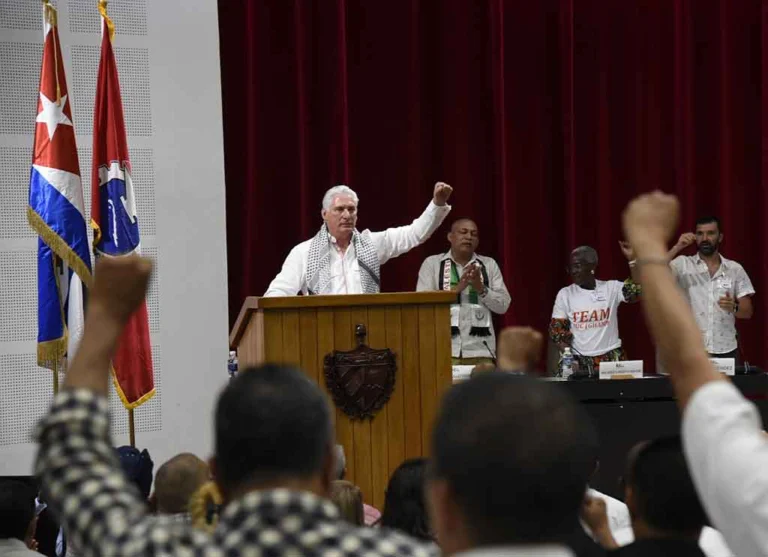
Bruno Rodríguez affirms Cuba’s unwavering Cuba sovereignty defense in the face of new US sanctions and threats.
May 9, 2026 Hour: 11:05 am
🔗 Comparte este artículo
Cuban Foreign Minister Bruno Rodríguez declared that Cuba sovereignty defense will be maintained to the last consequences amid escalating US sanctions and military threats from the Trump administration. Details on the multidimensional aggression.
Related: FM Rodriguez Warns of Escalating Risks in Trump’s Policy Toward Cuba
Cuba sovereignty defense will be maintained Amid Escalating Tensions
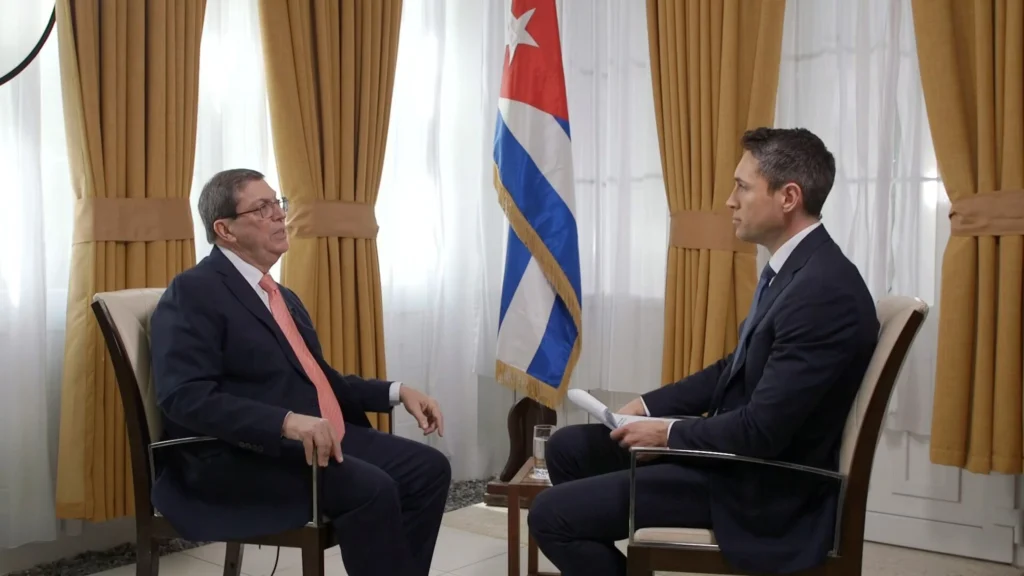
Havana, May 8, 2026 — Cuban Foreign Minister Bruno Rodríguez Parrilla firmly stated that Cuba will exercise its right to legitimate Cuba sovereignty defense until the last consequences, backed by the massive support of its people. His remarks came during an interview with ABC News amid growing US pressure.
The top diplomat denounced the multidimensional US aggression, which includes extraterritorial sanctions, an energy blockade, and recent military threats. He warned that Washington has chosen a “dangerous path” that could lead to unimaginable consequences, including a humanitarian catastrophe or bloodshed.
Rodríguez emphasized that Cuba poses no threat to US national security, foreign policy, economy, or way of life. He rejected any justification for intervention, stressing that internal political matters of Cuba are not subject to negotiation.
Cuba sovereignty defense: Rejection of New Trump Executive Order
The minister strongly criticized the Executive Order signed by President Donald Trump on May 1, which imposes coercive unilateral sanctions on strategic Cuban sectors such as energy, mining, and defense. He described these measures, along with secondary sanctions on third countries and companies, as serious violations of international law.
These actions constitute collective punishment against the Cuban people and represent an extraterritorial extension of US policy. Secretary of State Marco Rubio announced new designations targeting Cuban entities shortly after the order.
Rodríguez responded directly to Trump’s statements suggesting possible military action against Cuba, including references to deploying the USS Abraham Lincoln aircraft carrier. He warned of potential loss of Cuban and American lives.
Official US State Department announcement on recent Cuba sanctions: state.gov.
Cuba Sovereignty Defense Remains Absolute Priority
The defense of national sovereignty stands as Cuba’s absolute priority in response to Washington’s hostile policy. Foreign Minister Rodríguez made clear that Cuba is ready for dialogue on bilateral issues but will never negotiate its political system or internal affairs.
He dismissed US demands for political and economic reforms as pretexts aimed at justifying potential military aggression, actions prohibited under international law. No progress has been registered in talks with the United States, according to the Cuban diplomat.
Full ABC News interview coverage with Bruno Rodríguez: abcnews.go.com.
Historical Context of Escalating Measures
Since returning to the White House in January 2025, the Trump administration has intensified pressure on Cuba. Early actions included reversing limited measures from the previous administration, suspending remittances, tightening financial restrictions, and reactivating Title III of the Helms-Burton Act.
A national emergency declaration in January 2026 further enabled an energy blockade and secondary sanctions. These steps aim to strangle the Cuban economy and force regime change, according to Cuban officials.
The recent May 1 Executive Order and subsequent designations represent the latest escalation in this long-standing policy.
Geopolitical Context and Broader Regional Implications
The current tensions between the United States and Cuba form part of a wider pattern of renewed US assertiveness in the Western Hemisphere. Following actions in Venezuela and increased pressure on progressive governments, many observers see risks to regional stability and the principle of non-intervention.
In Latin America and the Caribbean, traditionally supportive of sovereignty norms, these developments could strengthen calls for multilateral resistance to unilateral sanctions. Globally, the situation highlights ongoing debates about the effectiveness and legality of broad economic coercion, potentially influencing positions in international forums like the United Nations.
Cuba’s firm Cuba sovereignty defense stance may galvanize international solidarity while complicating diplomatic efforts for dialogue. The outcome carries significant implications for hemispheric relations, energy security, and the future of US policy toward socialist-leaning nations in the region.
Author: JMVR
Source: Agencias